
Portable Hand Coffee Grinder: What to Look For
For travel and outdoors, a hand grinder needs no power and packs small. Consumer NZ says to check the burr material (ceramic or stainless steel), the range of grind settings, capacity (most tested hold about 20 g), weight and size, and a grip that is comfortable at fine settings. Manual grinding is slower than electric.
- Capacity
- ~20 g most tested grinders
- Burrs
- Ceramic or steel trade-offs
- Grind range
- Wide fine to coarse
- Speed
- Slower than electric
Start with your question
Plain answers, with the source.
What should I look for in a hand grinder?
Ceramic or stainless steel burrs?
Is a manual grinder good for travel?
How much coffee does one hold?
Can a hand grinder do espresso?
What to check
A checklist, from Consumer NZ.
| Check | Why it matters |
|---|---|
| Capacity | About 20 g suits one cup or two |
| Grind range and steps | Check how fine and how coarse it goes |
| Weight and size | Lighter, compact models suit travel |
| Burrs | Ceramic or stainless steel |
| Grip and handle | Comfortable at fine settings |
| Adjustment nut | Removable, for cleaning |
Pick a use
Pick the one that sounds like you.
Light travel
You want it small.
- Time
- 5 minutes
- Effort
- Low
- Caffeine
- Varies by recipe
- Should feel
- Compact
Lighter is easier to pack.
Camping
You want it rugged.
- Time
- 5 minutes
- Effort
- Low
- Caffeine
- Varies by recipe
- Should feel
- Tough
Read independent tests.
Everyday
You want it for the kitchen too.
- Time
- 5 minutes
- Effort
- Low
- Caffeine
- Varies by recipe
- Should feel
- Reliable
A removable nut helps cleaning.
Manual or electric
Manual or electric (OutIn, a retailer).
| Manual | Electric | |
|---|---|---|
| Portability | Compact, no power | Harder to move |
| Effort | A minute or more per cup | A button press |
| Speed | Slower | Faster |
| Settings | Fewer | More, per OutIn |
What does a cup cost?
A 12 oz (340 g) bag makes about 17 cups at 20 g per cup, so each bag below shows its real cost per cup. Orders of $40 or more ship free in the United States.
Next: caffeine, plainly ↓Caffeine, plainly
It is still coffee.
- The FDA cites about 400 mg a day, roughly two to three 12 oz cups, as not generally associated with negative effects for most adults.
Moodwell picks
Moodwell picks, with what each costs.
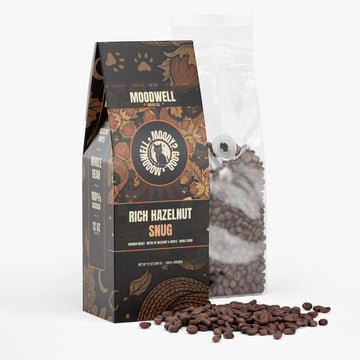
Rich body, low acidity.
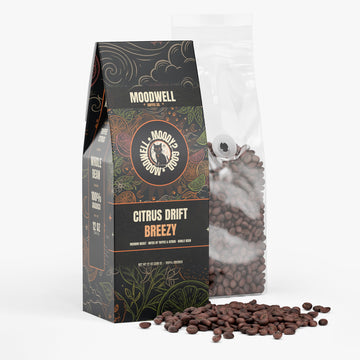
Layered with medium acidity.
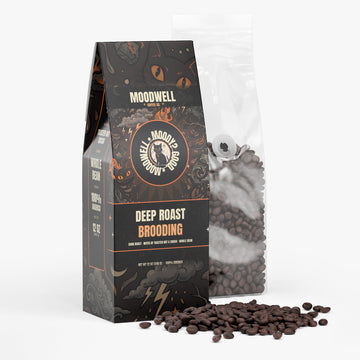
Between medium and dark.
Not sure which? Take the mood quiz or see all coffees.
Talk to a provider
A note on these numbers.
We name no products: we have not tested any. We found no independent source on portable espresso makers, so we do not cover them. Consumer NZ's page is inconsistent about how many models it tested. This page is general information.
Questions
Is a hand grinder worth it?
It is compact and needs no power; it is slower than electric.
Ceramic or steel?
Consumer NZ compares both; see its guide.
How much does one hold?
About 20 g in most Consumer NZ tests.
Will it grind for espresso?
Only if its range goes fine enough; check.
Which grind for my brew method?
See our grind size guides.
Does it need cleaning?
A removable adjustment nut helps, per Consumer NZ.
Which brand should I buy?
We do not recommend brands; we have not tested any.
Does Moodwell make health claims?
No. We sell coffee that tastes good and make no health claims.
Sources
- Hand coffee grinders buying guide – Consumer NZ: what to check
- Manual vs electric coffee grinders – OutIn: travel trade-offs (a retailer)
- How much caffeine is too much – FDA: 400 mg a day
This page is general information, not medical advice. Moodwell makes no health claims about its coffees. Cost per cup is our calculation at 20 g of coffee per cup.
Keep reading: How to brew whole-bean coffee · Cold brew and iced coffee · All guides · Best grind size